
Things You Didn't Know About the Nurse Shark
The Nurse Shark is a special species of shark found in relatively shallow coastal waters around North and South America, and along the western coast of Africa. Here are some things you may not have known about these fascinating fish!
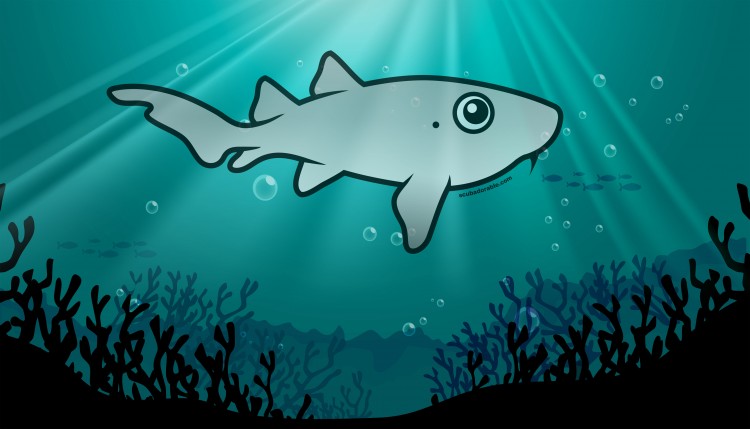
- Nurse sharks are nocturnal animals, which means they are most active during the night.
- While feeding at night, Nurse Sharks are generally solitary. However, at rest during the day, they may display more gregarious behavior, loafing alongside other Nurse Sharks.
- They are slow-moving sharks and are not considered a threat to humans. They are different from most other shark species with their extremely sedentary behavior.
- Nurse sharks can grow up to 10 and a half feet long!
- They are known for their unique feeding behavior, where they suck in prey, rather than biting them. In fact, they are obligate suction feeders, meaning that they use suction force through their relatively small mouths to pull prey in. Because of their method of feeding, they are generally bottom-dwellers in shallow water.
- Nurse sharks have fleshy "whiskers", called barbels, hanging down near their mouths. They use these barbels to detect potential prey on the surface below.
- Nurse sharks are ovoviviparous, which is a method of breeding somewhere between giving live birth and laying eggs. The eggs are fertilized internally, as in live births, but the eggs remain inside the female's body until hatching. Instead of receiving nourishment via a placenta, the babies receive nutrition from the yolk of their eggs!
- The gestation period for Nurse Sharks is about six months, with a typical litter consisting of 21-29 babies, or pups.
- Although not studied extensively in the wild, the lifespan of a captive Nurse Shark can be up to 25 years.
- Unlike other shark species, nurse sharks can breathe without moving through the water. They use a strategy called buccal pumping to remove oxygen from the water without having to swim.
- Nurse sharks are not migratory and typically stay in one area their entire lives. Like other species of reef shark, they have strong site fidelity.
- Nurse sharks have a unique opening, called a spiracle, behind their eyes. This opening provides oxygenated blood directly to the brain and eyes.
- The Nurse Shark was added to Scubadorable on September 2, 2007!


